
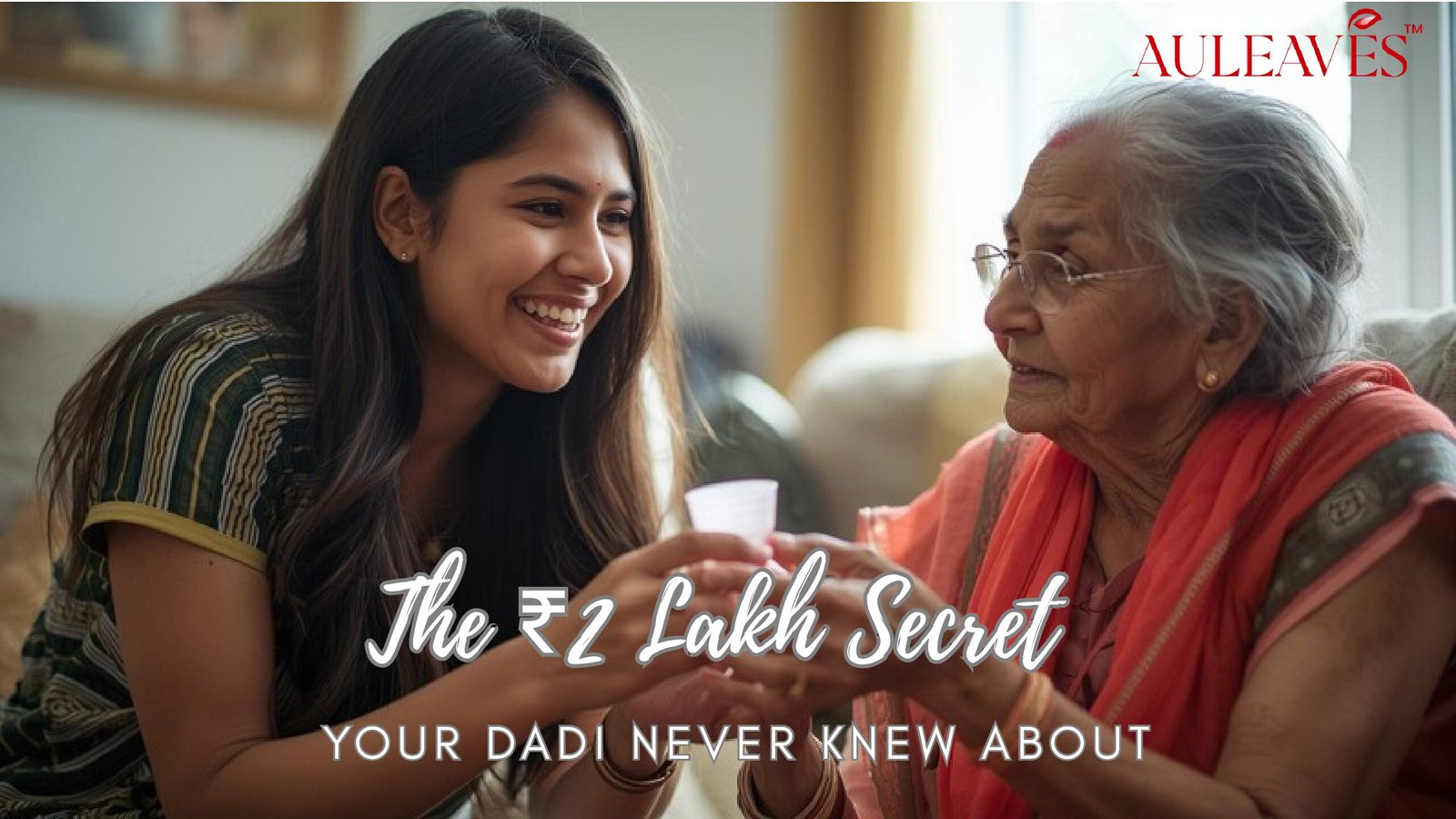
Imagine telling your dadi that there’s a period product you buy once and use for 10 years. She’d probably think you were talking about some fancy foreign thing, right? But here’s the twist this “revolutionary” idea was invented way back in 1937, even before India’s independence.
Breaking the Silence: From Period Taboos to Period Pride
Let’s talk about something our dadi’s generation couldn’t: periods. Remember those whispered conversations? “Woh din aa gaye,” wrapping pads in newspapers, the black polybag from the chemist? For generations, menstruation myths and period taboos kept Indian women from even discussing their natural cycle.
But times are changing. What was once India’s biggest period taboo talking openly about menstrual hygiene is finally being challenged. And leading this menstrual health revolution? The humble menstrual cup.
The Vision Born in 1937
While Indian women were managing periods with cloth (the original sustainable period product, really), an American inventor named Leona Chalmers created something extraordinary: a reusable menstrual cup. It was sustainable menstruation before that term even existed.
Just like many good ideas, it took decades for the world and India to catch up. But the wait was worth it.
Why Indian Women Are Breaking Period Myths and Choosing Cups
Today, thousands of Indian women are discovering what our grandmothers missed. Medical-grade silicone menstrual cups are changing the game, and the reasons hit close to home:
The Real Cost of Period Taboo: Here’s what menstrual hygiene management actually costs. An average woman spends ₹200-400 per month on sanitary pads. That’s ₹2,400-4,800 yearly. Over 40 years? A shocking ₹96,000 to ₹1,92,000 spent on disposables. A menstrual cup costs ₹300-800 and lasts 10 years. You do the math.
Freedom from Period Restrictions: Remember when menstruating women couldn’t enter temples? Couldn’t touch pickles? Couldn’t cook? These menstruation taboos in Indian culture still persist in many households. But here’s the thing: clean washrooms are still scarce, and wearing a cup for 12 hours means you’re not dependent on finding one every few hours.
The Sustainability Circle: Our dadi’s used cloth because they had to because it was sustainable by necessity. Today, with millions of sanitary napkins ending up in landfills (creating massive period poverty and environmental damage), cups bring us back to that sustainable wisdom with modern comfort.
No More Period Shame: No midnight chemist runs. No hiding packets in your dupatta. No panic during festivals or family functions when “that time” arrives unexpectedly.
Busting Period Myths: What Indian Women Need to Know
Let’s address the menstrual taboos and myths head-on:
Myth: “Cups aren’t safe for unmarried girls” Reality: Menstrual cups are gynecologist-recommended for women of all ages. Medical research confirms they’re safe, comfortable, and don’t affect virginity a concept that modern menstrual health experts say is scientifically outdated anyway.
Myth: “You’ll get infections” Reality: Medical-grade silicone is actually more hygienic than cloth or pads. Studies show cups reduce infection risk when used correctly. It’s the lack of menstrual hygiene awareness that causes problems, not the cup itself.
Myth: “Only educated, rich women can use them” Reality: Cups are now available from ₹300-800. That one-time cost is less than 3 months of pad purchases. Government schemes in Kerala and Karnataka have even distributed free menstrual cups to break period poverty.
Myth: “Inserting something is against our culture” Reality: Using tampons or cups doesn’t violate cultural values. What violates our values is letting period taboos prevent women from accessing better menstrual health options.
Period Positivity: How Social Media Broke the Taboo
You know what changed everything? Instagram, YouTube, and WhatsApp groups where Indian women openly share their menstrual cup experiences. The period stigma that kept our mothers silent is crumbling.
Young women are posting tutorials, answering questions, breaking menstruation myths, and celebrating sustainable menstruation. What previous generations couldn’t discuss, we’re now normalizing. From college students to working professionals, the conversation around menstrual hygiene management is finally happening.
Real Stories, Real Impact
- College students in Mumbai managing hostel life without period stress
- Working women in Bangalore handling heavy meetings without worry
- Homemakers in tier-2 cities discovering 12-hour freedom
- Rural women accessing affordable menstrual health through government programs
The beauty? You’re not dependent on monthly supplies. No more period poverty concerns. No adjusting pooja or temple visits based on period myths. No compromise.
The Growing Market: Period Products Get a Makeover
Today’s Indian menstrual cup market offers every size, firmness, and price point. From international brands to homegrown companies like Asan, Sirona, and Boondh, period care options are multiplying. Whether you’re a first-time user or experienced, cups designed for your body and flow are available everywhere—from metros to small towns.
The menstrual hygiene products industry is finally listening to Indian women’s needs.
Addressing Period Poverty and Menstrual Health Awareness
Here’s the harsh truth about period taboos in India: studies show approximately 70% of reproductive diseases in India stem from poor menstrual hygiene. Why? Because period stigma prevents education. Because myths about menstruation being “impure” stop girls from accessing proper menstrual health information.
Research reveals that only 35% of Indian women even know about menstrual cups. But here’s the hope: 62% of non-users say they’re willing to try. The menstrual awareness revolution is just beginning.
What Our Dadi’s Would Say Now
If our grandmothers could see how far we’ve come from cloth to pads to sustainable period products like cups they’d probably smile at this full-circle moment. They managed with what they had, showing incredible resilience despite period restrictions and menstruation taboos.
We honor that strength by choosing solutions that give us health, savings, and freedom. By breaking period taboos and challenging menstrual myths, we’re creating a better future.
The menstrual cup isn’t just a period product. It’s a bridge between our grandmother’s sustainable wisdom and our generation’s need for menstrual health, comfort, and freedom from period stigma.
Join the Menstrual Health Revolution
Whether you’re curious, skeptical, or ready to try, you’re part of a growing community of Indian women rewriting period care. Every rupee saved, every pad not thrown away, every hour of uninterrupted freedom, every period myth debunked it all adds up.
The secret our dadi’s never knew about? Breaking free from period taboos and discovering sustainable menstruation. It’s yours to discover now.
From ₹2 lakhs saved to 12-hour freedom, from breaking period taboos to celebrating menstrual health the revolution is here, and it’s speaking our language.

